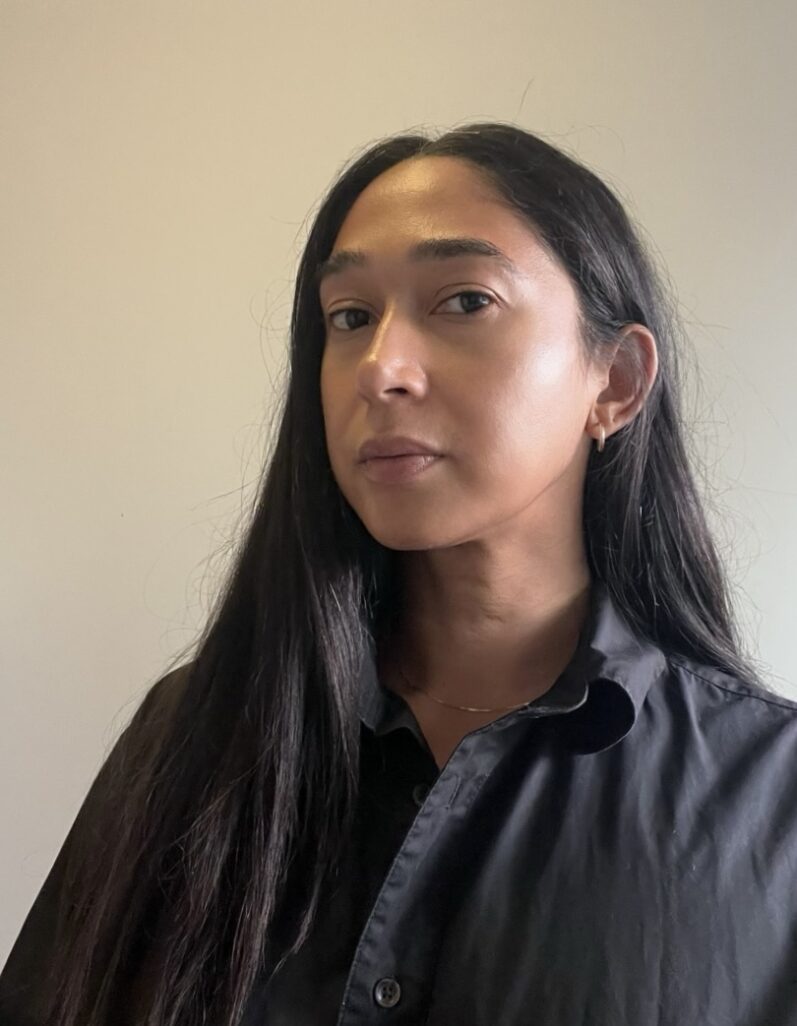
Chanelle Adams
Chanelle Adams est chercheuse et artiste basée à Berlin. À travers ses écrits et ses œuvres in situ, elle explore l’évolution des significations et des valeurs attribuées aux plantes et aux animaux dans des contextes marquées par le colonialisme, l’extractivisme et les changements environnementaux. Actuellement chercheuse postdoctorante à Max Planck Institute for the History of Science, Chanelle est titulaire d’un doctorat en géographie de l’Université de Lausanne.
***
Chanelle Adams is a researcher and artist based in Berlin. Through writing and site-specific works, she explores the shifting meanings and values of plants and animals in contexts of colonialism, extractivism, and environmental change. Currently a Postdoctoral Scholar at the Max Planck Institute for the History of Science, Chanelle holds a PhD in Geography from the University of Lausanne. She has received awards from the Fulbright Program and the European Society for Environmental History.
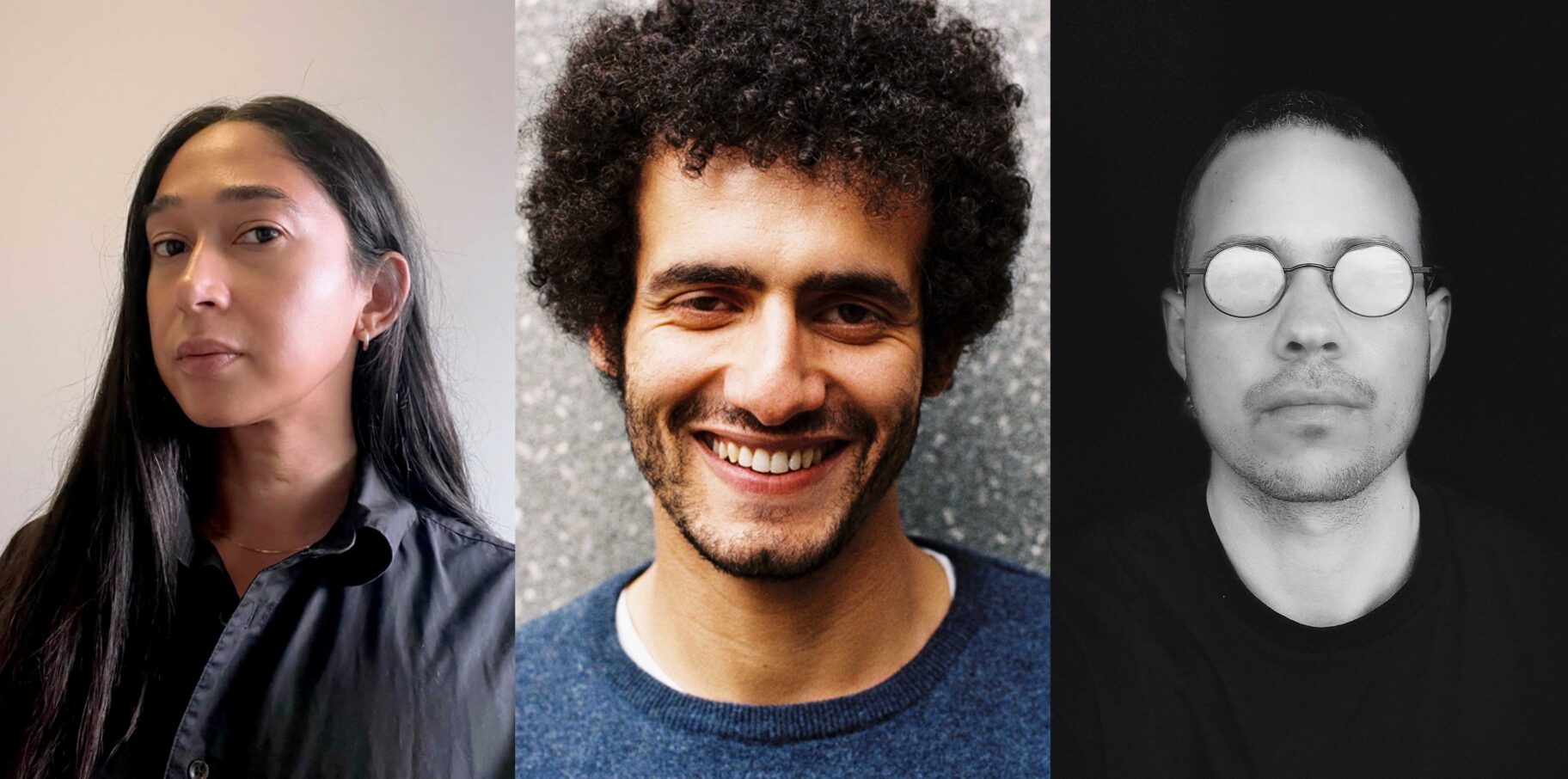
Lorsque les racines parlent: contre-colonisation des savoirs
Jonas Van, Chanelle Adams, Samir Boumediene
Le 18 novembre
Accessibilité


